As 2026 gets underway, a new and potentially enduring challenge is emerging for buyers and suppliers in the microelectronics ecosystem: chip inflation. Recent market analysis suggests that rising prices for semiconductors — driven by supply constraints in mature nodes, memory, and packaging — are no longer a short‑term anomaly but a structural force shaping procurement,…
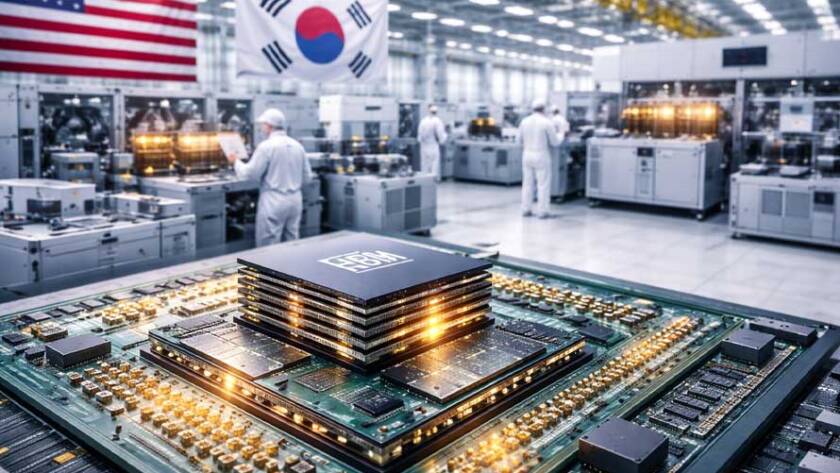
In late 2025, sources close to SK hynix revealed plans for a significant expansion of semiconductor packaging capabilities in the United States. The South Korean memory giant is reportedly preparing to establish its first mass‑production 2.5D packaging facility in West Lafayette, Indiana, with a targeted opening in late 2028 and an estimated capital investment of US $3.87 billion.…
The global semiconductor industry, valued at over $600 billion in 2024, remains a linchpin of the modern economy. Yet despite its technological sophistication, the sector continues to face significant supply chain vulnerabilities.
The semiconductor industry stands at the intersection of technological innovation and geopolitical strategy.
In recent years, the global supply chain for electronic components has faced unprecedented disruptions, ranging from geopolitical tensions to natural disasters.
The electronics industry, characterized by its global supply chains and rapid innovation cycles, has faced increasing challenges in maintaining stability and efficiency.
Navigating the challenges of the electronics supply chain requires strategic planning, collaboration, and innovation.