

As we step into early 2026, the global semiconductor industry is reflecting on a remarkable year that not only broke records but also set a robust foundation for future growth. According to recent data from the Semiconductor Industry Association (SIA), global semiconductor sales for November 2025 reached $75.3 billion, representing a 29.8 percent increase year‑over‑year and marking one…
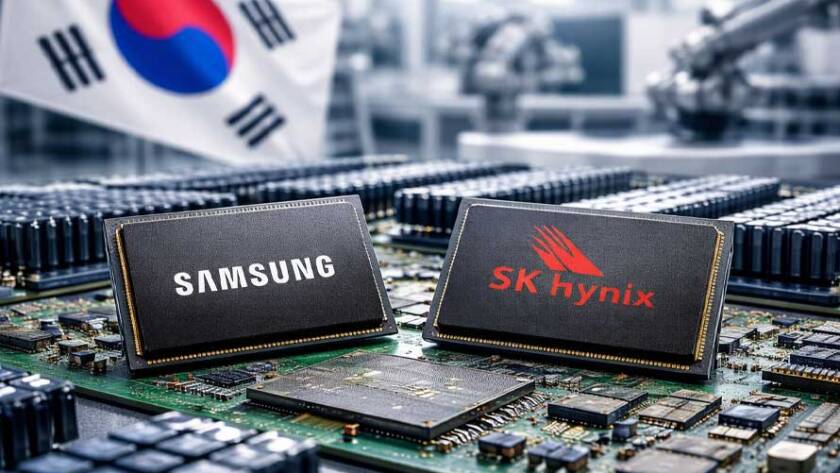
As 2026 accelerates, South Korea’s semiconductor industry continues to play a central role in the global microelectronics ecosystem — particularly in memory technologies that underpin everything from data‑center AI servers and edge computing to automotive systems and consumer devices. While geopolitical shifts and supply‑chain stresses have dominated headlines, the performance and strategic positioning of Korean…
In 2025 the microelectronics industry finds itself at a pivotal juncture as sweeping tariff threats and export control dynamics begin to reshape global supply chains in real time. For companies sourcing chips, components, and packaging, the evolving trade‑policy landscape is no longer a background risk, but a central operational factor.
Recent actions by the United…
In 2025, the release of the MAPT Roadmap 2.0 by the Semiconductor Research Corporation (SRC) marks a pivotal moment for the microelectronics industry.
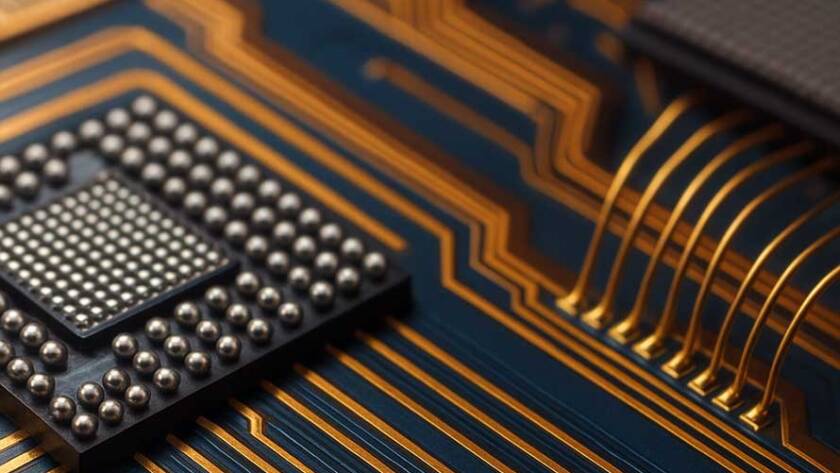
As transistors have shrunk and compute performance has skyrocketed, one stubborn bottleneck has remained: interconnects.
The 2025 IEEE International Electron Devices Meeting (IEDM), held in December in San Francisco, once again affirmed its place as the premier venue for unveiling next-generation semiconductor technologies.

In 2025, high-bandwidth memory (HBM) has surged to the forefront of microelectronics innovation, quickly becoming a critical enabler of AI performance.
In early 2025, speculation surfaced about a potential merger between Taiwan-based United Microelectronics Corporation (UMC) and U.S.-based GlobalFoundries, a move that could shake up the global semiconductor landscape.

MicroLED displays have emerged as a promising technology poised to revolutionize the visual display industry.

In a dynamic push to bolster national security and technological prowess, the U.S. Department of Defense (DoD) has embarked on a groundbreaking initiative: the Microelectronics Commons Hubs Tour.

n an age where technological advancement shapes the very fabric of national security, the modernization of defense microelectronics has emerged as a paramount priority.

The synergy between microelectronics and quantum computing holds the promise of ushering in a new era of technological advancement.